
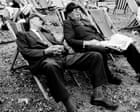
In 1926, Henry Ford gave his employees both Saturdays and Sundays off – and the two-day chunk of time to party, pray or simply do nothing was born. Now it’s changed beyond recognition
For 11 years, from 1929 to 1940, the Soviet Union did not have weekends. Instead, to increase productivity citizens were allocated a day off in every seven at random. With 80% of the population at work on any given day, factories never had to power down.
A letter from a disgruntled worker to Pravda newspaper, published soon after the implementation of this new working calendar, outlined the problems: “What is there for us to do at home if our wives are in the factory, our children at school, and nobody can visit us?” the letter-writer asked. “It is no holiday if you have to have it alone.” Parents found themselves at home while their children were at school, or with kids unsupervised while they were on shift. With no shared day off, extended family gatherings became impossible. The workforce became demoralised and listless, the projected spike in productivity never materialised, and the policy was first modified, then abandoned altogether.