
By Modou Touray
The Greater Banjul Area was rocked by widespread protests on Monday evening, as citizens expressed their frustration over the ongoing electricity crisis in the region. The demonstrations, which took place in various areas including Westfield, Brikama, Bundung, Farato, and Latrikunda Sabiji, sent a strong message to the government.
Reports from residents indicated that many had endured up to 48 hours of power outages, prompting them to take to the streets in protest. In Banjul, there was an attempt to march towards the State House, but the power was restored before the march could begin, causing the crowds to disperse.
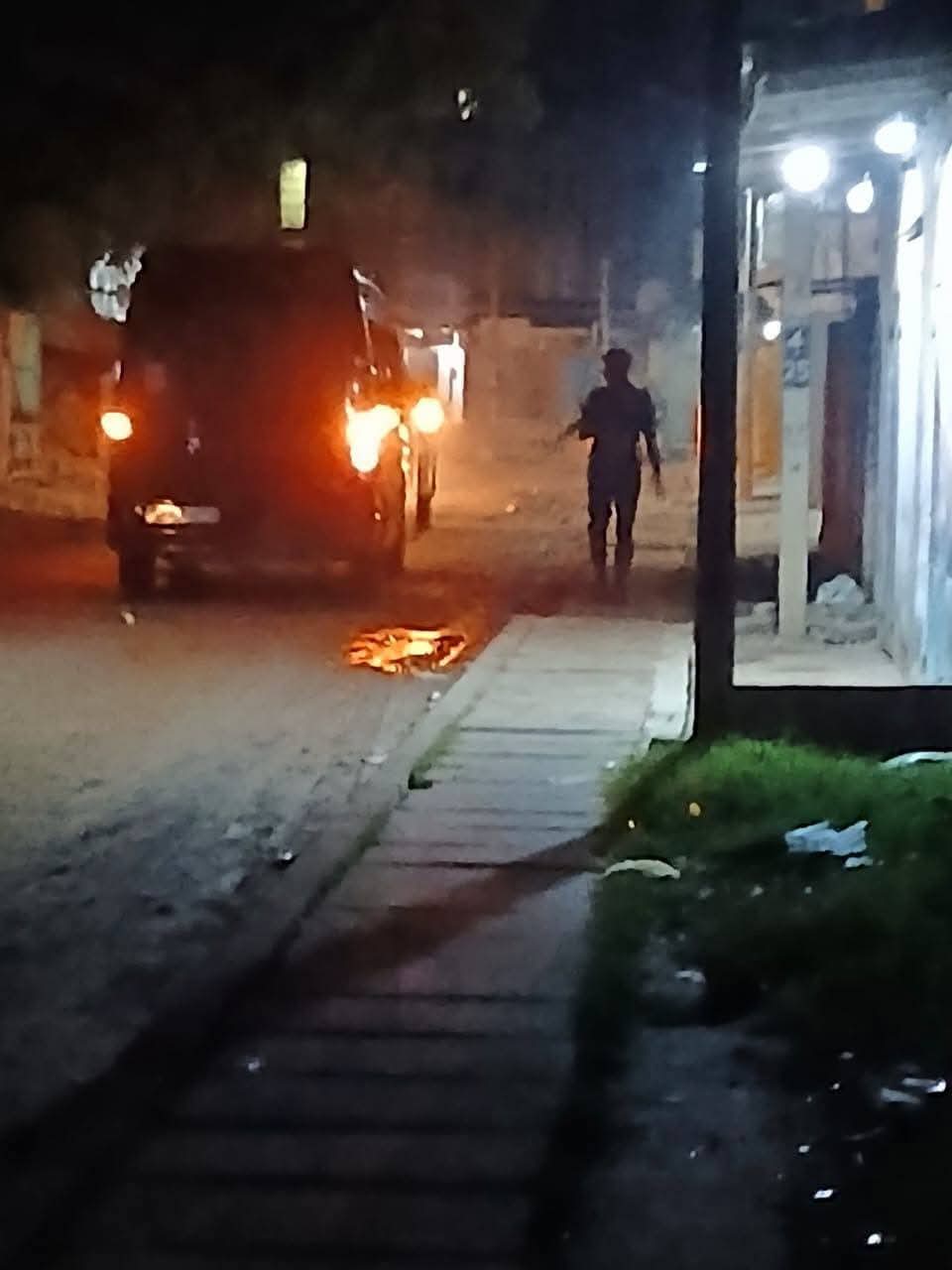
At Westfield Junction, police resorted to using tear gas to disperse the demonstrators, resulting in clashes that later led to the vandalism of the NAWEC branch in Latrikunda Sabiji. In Farato, protesters gathered outside the residence of Vice President Mohammed B.S. Jallow and even targeted the National People’s Party Bureau, reflecting the growing frustration with the government’s handling of the crisis.
According to sources, the Managing Director of NAWEC, Galo Saidy, is considering resigning due to the mounting pressure within the energy sector. It has been alleged that the government has not been provided with accurate information about the severity of the situation, making it seem less serious than it really is.
The extent of the protests, which spread to more than a dozen neighborhoods, clearly showed the depth of public anger and the increasing political pressure on the authorities to find immediate solutions. This unrest has exposed the vulnerability of the energy sector and the dangers of continued power shortages, as the frustration of the public turns into direct confrontation with political institutions, state utilities, and security forces.