
By Yunus S. Saliu
The Gambia on Thursday validated its Labour Digital Skill Development Methodology Programme, a move aimed at strengthening the country’s digital workforce and addressing critical skills gaps.
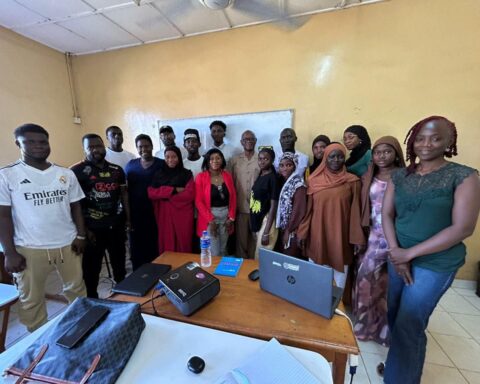
The national validation workshop, held at Metzy Residence Hotel in Kololi, was organised by the Ministry of Trade, Industry, Regional Integration and Employment (MOTIE) in collaboration with the Ministry of Communication and Digital Economy (MOCDE). The event received support from the World Bank through the Western Africa Regional Digital Integration Project (WARDIP).
Presiding over the ceremony on behalf of the Minister of Trade, Deputy Permanent Secretary Dampha Manneh described the programme report as “a critical document consolidating labour market and sectoral studies to tackle skills gaps in the Gambian economy.”
Manneh highlighted the rapid technological changes reshaping work and life globally, noting that mobile technology, internet access, and digital platforms are increasingly impacting Africa and The Gambia. He said that digital skills are essential for economic growth, competitiveness, and inclusive development.
“The widespread use of mobile phones and growing internet access is connecting more Gambians to information, services, and economic opportunities,” he said, adding that digital literacy and advanced skills are crucial for employability, entrepreneurship, and innovation, particularly among youth, women, and marginalized groups.
He also noted that the COVID-19 pandemic underscored the importance of digital skills as businesses, schools, and public services rapidly adapted to online platforms. Investing in these skills, he said, will help The Gambia remain resilient and competitive in a digital global economy.
The programme seeks to bridge the country’s digital skills gap through a methodology aligned with national development policies, human capital strategies, and labour market needs. Priority will be given to youth, women, and persons with disabilities, focusing on intermediate and advanced digital skills to drive job creation and improve service delivery.
Speaking on behalf of WARDIP, Project Coordinator Kawsu Barrow said the initiative falls under Component 4 of WARDIP Online Market Development and Integration, which has a financing envelope of US$12.89 million. About US$3.35 million under Sub-component 4.1 will be dedicated to innovation, business competitiveness, and digital labour skills.
Barrow described the project as people-centred, targeting SMEs, startups, professionals, and vulnerable groups. Planned activities include promoting a secure e-commerce ecosystem aligned with ECOWAS strategies, strengthening innovation hubs and entrepreneurship-support organisations, and delivering labour-market-driven digital skills training.
He revealed that at least 280 Gambians will receive certified digital skills training by the programme’s end, with women making up at least 30 percent of beneficiaries and persons with disabilities at least five percent.
“National validation is not a ceremony; it is a governance milestone,” Barrow said, stressing that stakeholder feedback would ensure the programme is inclusive, market-relevant, and aligned with regional integration goals.
The workshop convened government officials, private sector representatives, training institutions, and development partners to review and endorse the methodology. Fabba Jammeh, Director of Employment at MOTIE, delivered opening remarks.
The post Gambia Validates National Labour Digital Skills Programme to Bridge Skills Gap appeared first on .
By Yunus S. Saliu The Gambia on Thursday validated its Labour Digital Skill Development Methodology Programme, a move aimed at…
The post Gambia Validates National Labour Digital Skills Programme to Bridge Skills Gap appeared first on .



Hey, just wanted to say I’ve been checking out 311jilipark and it’s pretty cool! The interface is smooth and the games are fun. Definitely worth a look if you’re looking for something new. Check it out here: 311jilipark
Just downloaded the jjwinapk app. So far, so good – pretty easy to navigate. Gonna give it a proper run tonight. Hoping for some wins! Get the app, guys jjwinapk!
[9759]PHPGames31: Top Online Casino in the Philippines. Secure PHPGames31 Login & Register to play premium PHPGames31 Slot games. Download the PHPGames31 APK now for the ultimate mobile gaming experience. Join PHPGames31, the premier online casino in the Philippines. Secure PHPGames31 login & register to play top-tier PHPGames31 slot games. Download the PHPGames31 APK today for the ultimate mobile gaming experience! visit: phpgames31